
Uncategorized
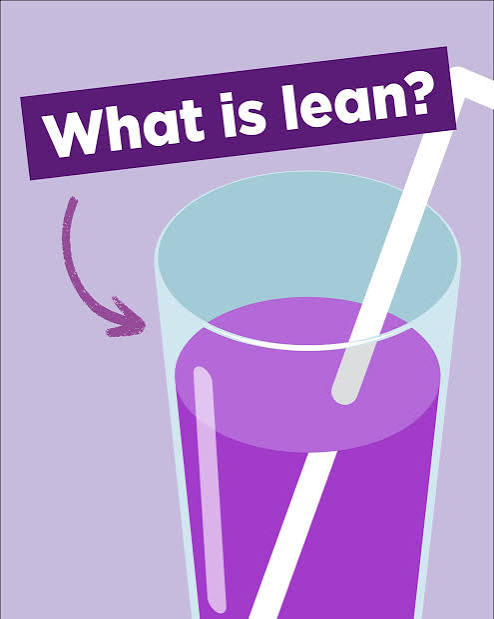
What is Lean?
Nov
Understanding Lean (Purple Drank)
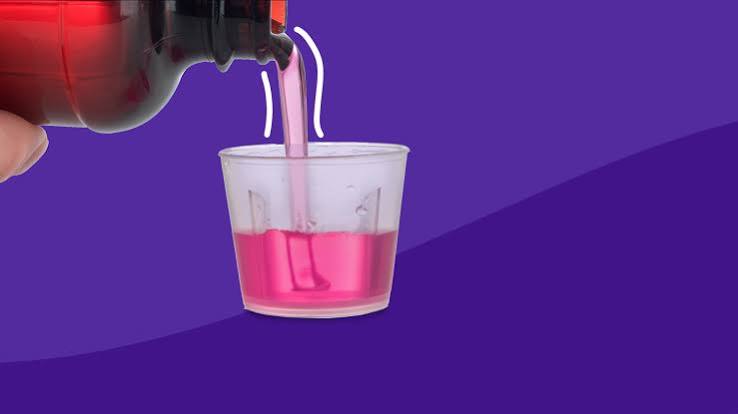
What is Lean, Lean, often called purple drank or sizzurp, is a recreational drink associated with misuse of prescription cough medicines. It gained wider recognition in the early 1990s when artists in the southeastern United States began referencing it in rap and hip-hop lyrics. Since then, it has remained part of certain music and youth-culture conversations.
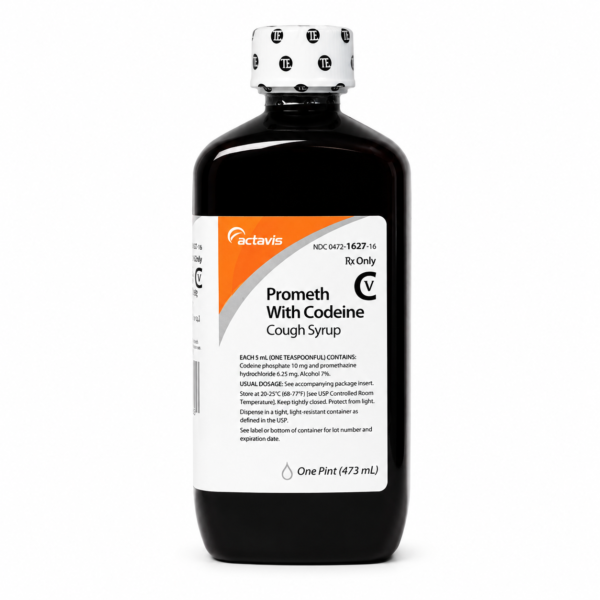
Typically, lean combines prescription cough syrup containing codeine with a soft drink. Some variations also include sweets or flavoured ingredients. However, its sweet taste can disguise the serious risks associated with codeine, an opioid that can cause dependence, overdose, and life-threatening breathing problems.
Is Lean Addictive?
Yes. Because lean often contains codeine, repeated use can lead to physical dependence and addiction. The risks increase when someone combines it with alcohol, sedatives, or other substances that slow the central nervous system.
Understanding Lean Use and Addiction
What exactly makes lean dangerous, and how can someone recognise the signs of dependence? In this guide, Avenues Recovery explores what lean is, its potential effects, the warning signs of addiction, and the treatment and support options that can help people move toward recovery.
What Is in Lean, and What Makes It Dangerous?
Lean typically contains prescription cough syrup with codeine, a soft drink, and sweet ingredients such as candy or fruit flavourings. Some people may also add other substances, including alcohol or melatonin, which can further increase the health risks.
Codeine, the main psychoactive ingredient in many lean mixtures, belongs to the opioid family. Although doctors prescribe it for certain medical conditions, misuse can lead to dependence, addiction, and potentially life-threatening complications. Furthermore, combining codeine with alcohol or other sedating substances can dangerously slow breathing and increase the risk of overdose.
Lean, also known as purple drank, is a recreational drug that has gained popularity among young adults. The lean drug was first brought to prominence by its mention in rap and hip-hop song lyrics in the southeastern United States in the early 1990s. Since then, it has remained popular within those cultural scenes. It is a dangerous and addictive concoction that combines prescription cough syrup containing codeine, soda, and sometimes candy or fruit flavors. Lean is consumed as a drink, which is why it is also referred to as a “lean drink” or a “sizzurp.” What is Lean
What is a lean drink? Is lean addictive? Join Avenues Recovery, top addiction treatment center, to explore in more detail what is lean. Learn to identify and treat a lean addiction.
Street Names for Lean
Lean is known by a few different street names, including:
Each of these names may be determined by some of the alternative ingredients as well as the region of the country it is found in. Each variation of the lean drug has a purple color.
Reasons People Use Lean
Some people misuse lean in search of euphoria, relaxation, or an altered state of mind. Others combine it with other substances in an attempt to intensify their effects. As a result, lean sometimes appears in discussions about recreational drug use at parties and social gatherings.
However, codeine carries significant risks. As an opioid, it acts on receptors in the brain and nervous system, reducing pain while also slowing certain essential bodily functions. Consequently, lean can cause drowsiness, impaired coordination, and dangerously slow breathing. Repeated misuse can also lead to dependence and addiction.

Statistics on Lean Use
A study published in 2019 found that 15.5% of surveyed concertgoers had tried lean at least once, while 14% expressed an interest in trying it in the future. These findings highlight the presence of lean use in some social and entertainment settings
Moreover, references to lean in rap music and popular culture may influence how some young people perceive the substance. However, cultural visibility does not reduce its health risks. Misusing codeine-based cough medicines can lead to dependence, addiction, and potentially fatal overdose.
Is Lean Safe to Drink?
No. Lean poses serious health risks, even when someone uses ingredients that doctors prescribe for legitimate medical purposes. Codeine, one of its main ingredients, is an opioid with a significant potential for misuse and dependence. Although healthcare professionals may prescribe codeine for certain medical conditions, people should follow their instructions carefully and avoid recreational use.
Furthermore, codeine can cause drowsiness, impaired coordination, dependence, and dangerously slow breathing. Combining it with alcohol, sleeping pills, or other sedatives can make these effects even more severe.
Despite its portrayal in music and entertainment, lean can have devastating consequences. In fact, several well-known musicians have died from overdoses involving codeine or other substances associated with lean. These tragedies highlight why people should take its risks seriously rather than view it as harmless recreational entertainment.
Effects of Lean
Lean can affect the body and mind in several ways, depending on the substances involved, the amount consumed, and an individual’s health. Because codeine is an opioid, it can cause drowsiness, relaxation, dizziness, and impaired coordination. However, its effects can also include dangerously slow breathing and reduced alertness.
Furthermore, the presence of prescription ingredients does not make lean safe for recreational use. Repeated use or excessive codeine exposure can lead to dependence, addiction, and serious health complications, including life-threatening overdose.
Another major concern involves mixing lean with alcohol or other sedating substances. These combinations can intensify their effects on the central nervous system, suppress breathing, and significantly increase the risk of fatal overdose. Therefore, people should never assume that lean is harmless simply because it contains ingredients found in prescription medicines.
What Does Lean Do to You?
What does lean do to your body? Common symptoms of regular lean (purple drank) use include:

- Feeling different or not fully aware of one’s surroundings
- Feeling tired, sad, and having trouble thinking clearly
- Making poor decisions
- Constipation
- Drowsiness
- Dizziness
- Blurred vision
- Nausea
- Confusion
- Slow heartbeat
- Difficulty breathing
- Losing consciousness
Addiction and Overdose Risks of Lean
Understanding Lean Addiction
Lean may have a reputation as a relatively harmless recreational substance; however, it carries a significant risk of addiction, particularly when it contains codeine. With repeated use, the body can develop physical dependence, meaning it begins to rely on the opioid to function normally. Over time, users may also develop tolerance, so they experience weaker effects from the same amount and may feel tempted to consume more. This pattern can increase the risk of dependence and overdose.
Why Lean Addiction Can Be Difficult to Recognize
Furthermore, some ingredients associated with lean, including cough medicines, promethazine, and alcohol, may be familiar or relatively easy to access. Because people often encounter these substances in everyday settings, they may underestimate the risks of combining or misusing them. As a result, family members and friends may struggle to recognize the warning signs of problematic use.
The Dangers of Overdose
Most importantly, misusing lean can lead to a life-threatening overdose. Codeine can slow the central nervous system and suppress breathing, potentially causing severe respiratory depression, unconsciousness, and death. Combining it with alcohol or other sedating substances can make these effects even more dangerous.
Therefore, anyone concerned about lean use should take the risks seriously and seek professional support. If someone becomes difficult to wake, loses consciousness, or develops slow or abnormal breathing, seek emergency medical help immediately.
Lean Withdrawal
If someone becomes dependent on Lean, they may experience withdrawal symptoms when they stop using it, such as:
Treatment for Lean Addiction
Overcoming lean addiction can be challenging; however, recovery is possible with the right support and professional care. Unfortunately, some people underestimate the risks of lean until their use begins to affect their health, relationships, or daily lives. Moreover, celebrity endorsements and its portrayal in music and popular culture can make lean appear attractive or harmless, even though it carries serious health risks.
Fortunately, several treatment options can help people manage dependence, address the underlying causes of substance use, and work towards lasting recovery. These include:
- Medical Detoxification: First, medical detoxification helps individuals manage withdrawal symptoms safely. Healthcare professionals monitor their condition and may recommend appropriate medications to make withdrawal more manageable.
- Inpatient Rehabilitation: Residential treatment programs provide structured care in a supportive environment. During treatment, individuals attend therapy sessions, receive professional counseling, and connect with others who understand the challenges of addiction.
- Outpatient Rehabilitation: For people who need to maintain their daily responsibilities, outpatient programs offer greater flexibility. Participants live at home while attending scheduled counseling sessions and treatment appointments.
- Behavioral Therapy: Therapies such as Cognitive Behavioral Therapy (CBT), Dialectical Behavior Therapy (DBT), and contingency management can help individuals understand the patterns behind substance use. Additionally, these approaches encourage healthier coping skills and more positive behaviors.
- Support Groups: Joining peer-support communities, such as Narcotics Anonymous (NA), can help individuals feel less isolated. Through shared experiences and encouragement, members can support one another throughout recovery.
- Individual Counseling: One-on-one sessions with addiction counselors or qualified therapists allow individuals to explore personal challenges, identify possible triggers, and develop recovery strategies that suit their needs.
- Medication-Assisted Treatment (MAT): In certain cases, healthcare professionals may recommend medications to support recovery from opioid dependence. For example, buprenorphine or naltrexone may help manage opioid use disorder, depending on the individual’s circumstances and medical assessment.
- Family Therapy: Family involvement can also strengthen the recovery process. These sessions help relatives understand addiction, improve communication, address relationship difficulties, and build a healthier support system at home.
- Complementary Therapies: In addition to professional treatment, activities such as mindfulness, yoga, music, and art therapy may support emotional well-being and stress management. However, these approaches should complement—not replace—evidence-based addiction care.
- Aftercare Planning: Recovery continues beyond the initial treatment program. Therefore, a long-term aftercare plan may include regular counseling, peer-support meetings, continued medical care, and strategies for managing triggers and preventing relapse.
- Education and Awareness: Finally, learning about the risks of lean and opioid dependence helps individuals and their families make informed decisions. Understanding warning signs, treatment options, and recovery challenges can also encourage people to seek help earlier.
Understanding Lean Addiction and Finding Help
Now that you know more about lean, it is important to understand that its risks go far beyond temporary recreational effects. Although some people may view it as an ordinary drink or harmless substance, its ingredients—particularly codeine—can lead to dependence, serious health complications, and potentially fatal consequences. Furthermore, misuse may create legal and personal difficulties that affect an individual’s everyday life.
For this reason, education and awareness play an important role in preventing lean misuse. Recognizing the warning signs of addiction, understanding its health risks, and seeking professional support can help individuals take meaningful steps towards recovery. With appropriate treatment and encouragement, people can rebuild their lives and develop healthier ways to manage stress and emotional challenges.
If you or someone close to you struggles with lean or opioid dependence, reaching out for professional help can make a significant difference. Avenues Recovery Centers offers addiction treatment and support to help individuals work towards lasting recovery. Contact the organization to learn more about its treatment options and discuss a plan that meets your needs. Taking that first step can open the door to a healthier, more fulfilling future.
